
Safety Tips for Frozen Chicken Preservation | Frozen Chicken for Sale
 Frozen chicken is one of those modern life wins. It’s cheap (sometimes), it’s always there, and it saves you from that 6 pm “what are we even eating” panic. Wholesale Frozen Chicken
But… we have all had that moment where you thaw a pack and it smells a little like freezer. Or the texture is weirdly dry and stringy. And you start blaming the chicken, or the brand, or the freezer itself.
Most of the time, it’s user error. Not in a judgy way. Just in a boring, fixable way.
Let’s get into how to freeze chicken so it still tastes like chicken later. Safety Tips for Frozen Chicken Preservation
Why frozen chicken loses quality (and how to stop it) | Safety Tips for Frozen Chicken Preservation
When people say frozen chicken “goes bad,” they’re often mixing up safety and quality.
Chicken can be perfectly safe to eat but still taste… flat, dry, or a little off. That’s quality loss.
There are three big quality killers: Halal Frozen Chicken
- Freezer burn This is the classic. It happens when moisture escapes from the chicken and the surface dehydrates. At the same time, oxygen gets in and causes oxidation. You end up with dry patches, gray spots, and that “freezer taste.” Learn more about freezer burn here.
- Temperature swings If your freezer warms up and cools down a lot, tiny ice crystals melt and refreeze. Over and over. That damages texture. It’s one reason chicken from the freezer door can feel worse than chicken from the back of the freezer. Here’s some advice on managing freezer temperature swings.
- Long storage time Freezing slows down changes. It does not pause time forever. Even well packaged chicken will slowly lose flavor and texture over months. Safety Tips for Frozen Chicken Preservation
And just to define what we mean by “quality,” we’re talking about:
- Taste (fresh chicken flavor vs stale freezer flavor)
- Texture (tender vs dry/chewy)
- Moisture (juicy vs stringy)
- Smell (neutral vs oxidized/freezer odor)
Preserving quality comes down to three things, basically: packaging, temperature control, and smart thawing and cooking.
Safety first: the non-negotiables before you preserve anything
Safety and quality are different, but safety comes first. Always.
A quick way to think about it:
- Safe but low quality: freezer burned chicken that’s been kept properly cold.
- Unsafe: chicken that was warm too long, leaked, or thawed on the counter and sat there.
Here’s a simple safe buying checklist:
- Buy chicken last, right before checkout if you can.
- Packaging should be intact. No tears, no leaks.
- Check dates: “sell by” and “use by” matter for freshness.
- Avoid packs with heavy ice crystals inside the package. A little frost is normal. A lot can mean it partially thawed and refroze somewhere along the supply chain.
Time and temperature basics for getting it home:
- If it’s a longer drive, use an insulated bag or cooler.
- Don’t run errands with chicken in the car.
- At home, refrigerate or freeze quickly. Chicken should not sit at room temp.
Safety Tips for Frozen Chicken Preservation. Your freezer target is 0°F / -18°C. Colder is fine. The bigger issue is steady. A freezer that sits at 0°F consistently preserves texture way better than one that bounces around. Safety Tips for Frozen Chicken Preservation
And when to freeze?
If you’re not cooking fresh chicken within 1 to 2 days, freeze it sooner rather than later. Freezing is like taking a snapshot of freshness. The earlier you do it, the better that snapshot looks later.
Pick the right chicken for freezing (cuts, freshness, and demand-driven buying)
Safety Tips for Frozen Chicken Preservation. A lot of what ends up in your cart is based on availability and demand. Bulk family packs, buy one get one deals, promo pricing. And those are great… if you handle them right.
Fresh vs previously frozen (and why it matters) | Boneless Frozen Chicken Breast
Sometimes chicken in the case is truly fresh. Sometimes it was previously frozen and thawed for sale. Refreezing isn’t automatically unsafe if it stayed cold, but it usually hurts texture.
Why? Freezing forms ice crystals. Thawing releases moisture. Freezing again forms new crystals. More damage, more drip loss, drier meat.
How to tell if it was previously frozen:
- Look for labeling. Some packages say “previously frozen” or “frozen, thawed for your convenience.”
- Lots of liquid in the tray can be a hint (not proof).
- Ice crystals in a “fresh” package can be a hint too.
If you can, freeze chicken that’s as close to genuinely fresh as possible. Safety Tips for Frozen Chicken Preservation
Best cuts for freezing
All chicken can be frozen. But some cuts forgive you more.
- Thighs and drumsticks: more fat, more forgiving, stay juicy longer.
- Breasts: leaner, they dry out faster and show quality loss sooner.
This doesn’t mean don’t freeze breasts. It just means you need better packaging and maybe a little extra prep.
Portion planning (this is bigger than people think)
The fastest way to ruin frozen chicken quality is to keep thawing and refreezing because you froze it in one huge pack. Safety Tips for Frozen Chicken Preservation
Freeze in meal sized portions:
- 1 pound packs for a couple meals
- 2 breasts per bag
- 4 thighs per bag
- whatever matches your household
And before packaging, do a little cleanup:
- Trim weird loose skin flaps if you hate the texture later
- Remove excess air pockets
- Pat the surface dry so ice doesn’t form as heavily on the outside
The best way to package chicken to prevent freezer burn
Core rule: air is the enemy.
Air brings oxygen, and it pulls moisture out. That’s freezer burn in a sentence.
Here are packaging options, ranked.
1. Vacuum sealing (best) | Safety Tips for Frozen Chicken Preservation
If you freeze chicken often, a vacuum sealer is the closest thing to “set it and forget it” quality.
- Removes air almost completely
- Prevents dehydration
- Helps chicken taste normal even months later
Tip: pat chicken dry first. Too much surface moisture can interfere with sealing, and it can get sucked up into the machine. Safety Tips for Frozen Chicken Preservation
2. Freezer paper wrap + freezer bag
Old school, still very effective.
- Wrap tightly in freezer paper (or even plastic wrap first, then freezer paper)
- Then put it in a freezer bag for a second barrier
This is great for preventing air contact, as long as you wrap tight and seal well.
3. Heavy duty freezer bags
This is what most people use, and it works if you do it correctly.
- Use actual freezer bags, not sandwich bags
- Press out as much air as possible
- Double bag if you’re storing longer
How to remove air better (water displacement method)
If you don’t have a vacuum sealer, do this:
- Put chicken in a sturdy freezer bag.
- Lower the bag into a bowl of cold water, keeping the zipper top above the waterline.
- The water pressure pushes air out.
- Seal the bag when most air is gone.
Simple, weirdly satisfying, and it works.
4. Airtight containers (best for pieces, not big cuts)
Safety Tips for Frozen Chicken Preservation. Containers are fine for smaller pieces, especially if you don’t mind a bit of headspace. But headspace is air, so if you use containers, try to fill them efficiently. Safety Tips for Frozen Chicken Preservation
Label everything (future you will thank you)
A good label prevents “mystery chicken” that sits for 11 months because nobody wants to deal with it.
Write:
- Cut (breast, thighs, ground)
- Portion size or weight
- Date frozen
- Intended use (grill, curry, soup)
That last one is optional but honestly helpful.
Avoid these common packaging mistakes:
- Thin grocery bags (they are not barriers, they are lies)
- Loose lidded containers
- Freezing in the store tray (more on that later)
- Storing in the freezer door
Pre-freeze prep that actually preserves texture and flavor
You don’t need to do a lot. But the few things that matter, matter a lot.
Pat chicken dry
A drier surface means less surface ice and less crystal damage. You’re not trying to dehydrate it. Just remove that wet film.
Optional: quick brine for chicken breasts
Breasts are the pickiest. A simple brine helps them hold onto moisture after thawing and cooking.
Basic quick brine:
- 4 cups cold water
- 3 tablespoons kosher salt (or about 2 tablespoons table salt)
Brine 30 to 60 minutes in the fridge, then pat dry, then package and freeze.
It’s not mandatory. It’s just one of those “wow that helped” tricks if you freeze breasts a lot.
Marinating before freezing (pros and cons)
Pros:
- Flavor goes in while it thaws
- Makes weeknights easier, you skip a step
Cons:
- Very acidic marinades (lots of lemon, vinegar) can mess with texture over time and make the surface a bit mushy
Freezer friendly marinades are usually:
- Oil + salt + garlic + herbs
- Soy sauce based (not too much acid)
- Yogurt based works too, but keep it balanced and not overly acidic
If you love lemon, you can also add fresh lemon after cooking instead of marinating heavily before freezing. Safety Tips for Frozen Chicken Preservation
Flash freeze pieces so they don’t clump
Safety Tips for Frozen Chicken Preservation. For wings, tenders, chopped chicken, or anything you want to grab by the handful:
- Spread pieces on a parchment lined tray.
- Freeze until firm, 1 to 2 hours.
- Bag them up after.
Now you can pour out what you need.
Cooked vs raw freezing
Sometimes freezing cooked chicken is the better move. Especially for busy weeks.
Cooked chicken freezes well when it’s in a moist form:
- Shredded chicken with a little broth
- Chicken in soup or stew
- Saucy shredded taco chicken
Dry roasted breast chunks can freeze okay, but they’re more likely to get chalky. If you freeze cooked chicken, store it with a little moisture.
Freezer setup for quality: temperature, placement, and organization
Safety Tips for Frozen Chicken Preservation. Set your freezer to 0°F / -18°C (or lower). Then verify it with a cheap freezer thermometer. The dial on the freezer is not always honest.
By following these tips on how to effectively use your freezer, you can improve your diet and save money. Safety Tips for Frozen Chicken Preservation
Avoid temperature swings
A few things cause swings:
- Frequent door opening
- Storing food in the door
- Putting warm food straight in
- Overloading the freezer with unfrozen items all at once
If you’re freezing a lot at once, spread it out so cold air can circulate. Once it’s frozen solid, you can stack tighter.
Organize like you actually want to use the food
Use FIFO: first in, first out.
- Newer packs go behind older packs
- Keep a simple “poultry zone” bin if you can
This helps quality because nothing gets forgotten for a year. And it helps safety and cleanliness too since raw poultry packaging can get messy during loading and unloading. Safety Tips for Frozen Chicken Preservation
Power outage plan
If power goes out:
- Keep the freezer door closed.
- A full freezer stays cold longer than a half empty one.
If chicken partially thaws, safety depends on temperature and time, but quality will take a hit regardless. If it’s still icy and cold to the touch, you can often refreeze safely, but expect more moisture loss later. Safety Tips for Frozen Chicken Preservation
When in doubt, cook it instead of refreezing it. Cooked chicken can then be refrozen in a better form. Safety Tips for Frozen Chicken Preservation
How long can you keep frozen chicken without losing quality? (realistic timelines)
Here’s the honest truth: chicken can stay safe in the freezer for a long time if kept at 0°F. But it won’t stay high quality forever.
Think in “best by” windows for taste and texture.
Raw chicken: quality focused guide
- Whole chicken: up to 12 months for decent quality, best earlier
- Parts (thighs, drumsticks, wings): up to 9 months (best 3 to 6)
- Breasts: up to 6 months (best 2 to 4)
- Ground chicken: up to 3 to 4 months (best 1 to 2)
Cooked chicken: quality focused guide
- Shredded chicken (with a bit of broth): 2 to 4 months
- Roasted pieces: 2 to 3 months
- Soups and stews: 2 to 3 months (sometimes longer, but texture can soften)
Signs quality is declining:
- Grayish color (especially in patches)
- Dry, leathery spots
- Excessive ice crystals inside the package
- A stale “freezer” smell
A simple decision rule:
- If it smells off after thawing, don’t try to spice your way out of it. Discard.
- If it has mild freezer burn, trim and use in wet dishes.
- If it has severe freezer burn all over, it’s usually not worth forcing yourself to eat. Life is short. Safety Tips for Frozen Chicken Preservation
Thawing frozen chicken the right way (so it stays juicy)
Thawing is where a lot of moisture loss happens, so it matters.
Best method: refrigerator thawing
Slow thawing reduces drip loss and keeps texture better.
Rough planning times:
- Boneless breasts or thighs: overnight
- Bone in pieces: 24 hours
- Whole chicken: 1 to 2 days depending on size
Put chicken on a plate or in a container. Let it thaw in the fridge. Done.
Cold-water thawing (faster, still decent quality)
If you need it today:
- Keep chicken in a sealed bag. No leaks.
- Submerge in cold water.
- Change the water every 30 minutes.
Small packs can thaw in an hour or two. Bigger ones take longer.
Cook soon after thawing this way.
Microwave thawing (last resort)
Microwave thawing tends to partially cook edges. That’s where you get rubbery bits and uneven texture. Safety Tips for Frozen Chicken Preservation
If you do it:
- Use defrost mode
- Stop frequently and rotate
- Cook immediately after
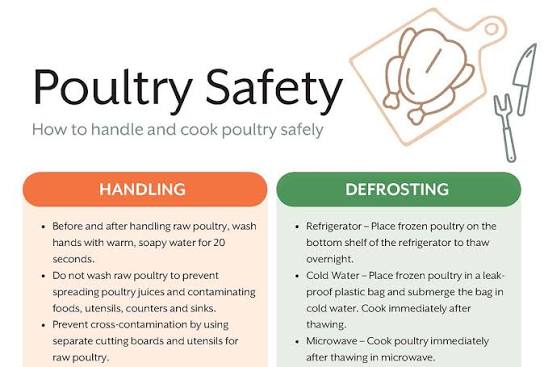
Never thaw on the counter
It’s a safety risk and it also thaws unevenly. Outside warms up while the center is frozen. Not great.
After thawing: handling tips
- Pat dry again before cooking, especially if it released a lot of liquid.
- Don’t rinse chicken. It spreads bacteria around your sink.
- Cook promptly.
Refreezing rules, simplified:
- If chicken thawed in the fridge and stayed cold, you can refreeze it. But quality drops.
- If it thawed in water or microwave, cook it first before any refreezing.
Cooking strategies that “save” frozen chicken quality
Even perfectly frozen chicken can be ruined by overcooking. Honestly, overcooking is a bigger quality killer than freezing.
Cooking from frozen (when it works)
Some methods are surprisingly good for frozen chicken:
- Pressure cooker / Instant Pot: great for frozen thighs, breasts for shredding, soups
- Oven baking: works, but needs time and you have to monitor temperature
- Air fryer: works for smaller cuts, not great for thick frozen breasts unless you’re careful
What usually doesn’t work well:
- Pan searing thick frozen pieces. Outside overcooks before inside is safe.
Safe Thawing Methods
It’s important to remember that safe defrosting methods should always be followed to ensure food safety and maintain quality.
Moisture retention basics
- Use a thermometer. Chicken is done at 165°F / 74°C.
- Pull it right when it hits temp, don’t keep cooking “just in case.”
- Rest it. Even 5 minutes helps juices redistribute.
- Use gentle heat when possible, especially for breasts.
If the chicken is a little dry, choose dishes that help it:
- Soups
- Curries
- Shredded chicken with sauce
- Stir fries where sauce carries the moisture
Dealing with minor freezer burn
If it’s just on an edge:
- Trim the dry bits
- Use the rest in a wet dish
You can mask mild freezer burn with flavorful cooking. You cannot magically turn severely freezer burned chicken into a perfect grilled breast. Pick the right use. Safety Tips for Frozen Chicken Preservation
Common mistakes that ruin frozen chicken (and quick fixes)
Mistake: freezing in the original store tray
Those trays are not designed for long freezer storage. Air gets in, plastic is thin, and you get burn fast.
Fix: rewrap tightly or vacuum seal.
Mistake: storing chicken in the freezer door
The door is the warmest, most swingy part of the freezer.
Fix: store chicken in the back or middle where temps stay stable.
Mistake: freezing large blocks
Big frozen bricks thaw unevenly, take forever, and lead to “I guess we’ll refreeze it” decisions.
Fix: portion and flatten bags for faster thawing.
Mistake: skipping labels
No label means lost time, forgotten packs, and chicken living in the freezer until it’s sad.
Fix: date + cut. That’s enough. Safety Tips for Frozen Chicken Preservation
Mistake: putting warm food in the freezer
It warms the freezer, stresses everything else, and can cause partial thawing around it.
Fix: chill cooked food first. For raw chicken, freeze it cold, not warm.
Preservation meets real life: budgeting, availability, and managing household demand
Freezing chicken well is not just a kitchen skill, it’s a money skill.
When prices drop, bulk buying makes sense only if you portion and package immediately. If you toss the bulk pack in the freezer as is, you’re basically gambling. Some of it will be fine, some of it will get freezer burn, and then you quietly waste money later.
A practical system that works for most households:
- Keep 2 to 3 weeks of chicken in the freezer.
- Rotate consistently so nothing sits for 9 months unless you truly planned for that.
- Freeze a mix of cuts so you’re not stuck with only breasts.
Batch prep option that saves weeknights:
- Freeze raw portions for planned meals
- Freeze 1 or 2 cooked staples like shredded chicken (with broth) so you can throw together tacos, rice bowls, soup, quick pasta
Better preservation means fewer “eh, I don’t trust this pack” moments. Less waste. More consistent meals. Less takeout because the chicken is actually usable.
Let’s wrap up: a simple quality-first checklist
Safety Tips for Frozen Chicken Preservation. If you only remember one thing, remember this: freezing chicken is a preservation system, not a storage drawer.
Here’s your checklist:
- Freeze chicken while it’s still fresh (don’t wait until day 3).
- Pat dry, then package airtight (air is the enemy).
- Vacuum seal if you can. If not, use freezer bags and remove air well.
- Label everything with cut and date.
- Keep freezer at 0°F / -18°C, and store chicken away from the door.
- Rotate stock (FIFO). Use older packs first.
- Thaw in the fridge whenever possible.
- Cook to 165°F / 74°C and stop. Don’t overcook.
If you want one upgrade that makes an immediate difference, it’s either:
- a vacuum sealer, or
- better freezer bags plus a roll of labels and a marker you actually like using.
Frozen chicken can taste basically fresh. Not identical, sure. But close enough that you stop thinking about it. You just cook dinner. And that’s kind of the whole point.
FAQs (Frequently Asked Questions)
Why does frozen chicken sometimes taste dry or have a freezer smell?
Frozen chicken can lose quality due to freezer burn, temperature swings in the freezer, and long storage times. These factors cause moisture loss, oxidation, and texture damage, leading to dry, stringy meat with a ‘freezer’ taste. Most often, it’s due to how the chicken is frozen and stored rather than the chicken itself. Safety Tips for Frozen Chicken Preservation
What is freezer burn and how can I prevent it on frozen chicken?
Freezer burn happens when moisture escapes from the chicken’s surface while oxygen causes oxidation, resulting in dry patches and gray spots with off flavors. To prevent freezer burn, package chicken tightly to minimize air exposure, remove excess air from bags, keep your freezer at a steady 0°F (-18°C), and avoid long storage times. Safety Tips for Frozen Chicken Preservation
How important is packaging when freezing chicken?
Packaging is crucial for preserving frozen chicken quality. Proper packaging prevents moisture loss and oxygen exposure that cause freezer burn and off flavors. Use airtight containers or vacuum-sealed bags, portion chicken into meal-sized packs to avoid repeated thawing and refreezing, and pat the surface dry before packaging to reduce ice crystal formation. Whole Frozen Chicken for Sale
What are the best types of chicken cuts for freezing?
Thighs and drumsticks are more forgiving when frozen because their higher fat content helps them stay juicy longer. Breasts are leaner and tend to dry out faster after freezing, so they require better packaging and careful handling. All cuts can be frozen but adjusting your preparation based on cut helps maintain quality. Grade A Frozen Whole Chicken
How can I safely buy and transport fresh chicken for freezing?
Safety Tips for Frozen Chicken Preservation. Buy chicken last during shopping to minimize time at room temperature. Ensure packaging is intact with no tears or leaks, check sell-by/use-by dates for freshness, and avoid packs with heavy ice crystals inside which indicate partial thawing. For longer trips home, use an insulated bag or cooler to keep chicken cold and refrigerate or freeze promptly upon arrival.
What’s the difference between safety and quality in frozen chicken?
Safety means the chicken is free from harmful bacteria and safe to eat; quality refers to taste, texture, moisture, and smell. Frozen chicken can be safe but have low quality if it has freezer burn or texture changes. Always prioritize safety by proper handling but use good packaging, temperature control, and thawing methods to preserve quality. Safety Tips for Frozen Chicken Preservation
