
Frozen Chicken Demand Forecast 2026 | Brazilian Frozen Chicken Supplier
Frozen Chicken Demand Forecast 2026. The demand for frozen chicken has become a critical component of the global poultry industry, especially as consumers seek convenient, nutritious, and affordable protein sources. As we approach 2026, understanding the factors influencing frozen chicken demand is essential for producers, retailers, and investors aiming to capitalize on market trends. The forecast for frozen chicken in 2026 is shaped by numerous economic, technological, and societal forces that are transforming consumption patterns worldwide. This comprehensive analysis explores key drivers behind the projected demand, regional influences, technological advancements, consumer preferences, and market challenges. By examining these facets, stakeholders can better strategize to meet future needs effectively. Frozen Chicken Demand Forecast 2026
Global Market Trends Shaping Frozen Chicken Demand in 2026
Global market trends significantly impact the forecasted demand for frozen chicken by 2026. These trends include shifts toward healthier eating habits, rising urbanization, and increasing disposable incomes across emerging economies. As consumers become more health-conscious, they gravitate towards leaner proteins like chicken over red meats. Additionally, rapid urbanization in developing countries leads to increased demand for convenient food options such as frozen poultry products. Frozen Chicken Demand Forecast 2026. The expansion of retail channels—supermarkets, hypermarkets, and online platforms—facilitates easier access to frozen chicken products worldwide. Furthermore, globalization has enhanced supply chain efficiencies and introduced diverse culinary influences that boost consumption rates. The influence of these market trends is evident in the steady growth trajectory predicted for frozen chicken sales globally through 2026. Stakeholders must stay attuned to these macroeconomic movements to align their production strategies with evolving consumer behaviors. Frozen Chicken Demand Forecast 2026
- Increased health awareness encouraging lean protein consumption
- Urbanization driving demand for convenient food solutions
- Expansion of retail outlets broadening product accessibility
- Global supply chains enabling diverse product offerings
- Cultural integration promoting international flavor profiles
In conclusion, global market trends are pivotal in shaping the future landscape of frozen chicken consumption. Recognizing these patterns allows businesses to innovate and adapt promptly.
Regional Factors Influencing Frozen Chicken Demand in 2026
Regional dynamics play a crucial role in determining the demand for frozen chicken as we approach 2026. Different parts of the world exhibit unique consumption patterns driven by cultural preferences, economic development levels, and local supply chain infrastructures. For instance, North America remains one of the largest markets for frozen chicken due to high meat consumption rates coupled with busy lifestyles that favor ready-to-cook meals. Conversely, Asian countries such as China and India are experiencing rapid growth in poultry consumption driven by rising middle-class populations seeking affordable protein sources. Frozen Chicken Demand Forecast 2026. In Europe, consumer preferences lean towards organic and ethically sourced poultry products; however, economic factors still sustain high overall demand for frozen chicken options. Emerging markets in Africa and Southeast Asia show promising growth potential owing to expanding retail networks and increasing urban population densities. These regional variations necessitate targeted marketing strategies tailored to local tastes and purchasing behaviors while considering logistical capabilities. Frozen Chicken Gizzard
- North America’s preference for convenience foods boosts demand
- Rapidly growing Asian markets driven by affordability and urbanization
- European consumers’ focus on organic options influences product offerings
- Emerging regions exhibit significant growth potential due to infrastructure improvements
- Local cultural preferences shape specific product formulations
Understanding regional influences enables producers to customize their offerings effectively while capitalizing on untapped markets.
Technological Innovations Driving Frozen Chicken Production & Supply Chain Efficiency
Technological advancements are instrumental in shaping the forecasted landscape of frozen chicken demand by 2026. Innovations in processing techniques ensure higher quality standards while reducing waste during production. Automation technologies streamline operations from slaughtering to packaging—enhancing efficiency and lowering costs—thus making frozen chicken more competitively priced. Moreover, advancements in cold chain logistics improve transportation reliability across long distances without compromising freshness or safety standards. Frozen Chicken Demand Forecast 2026. The integration of blockchain technology enhances traceability within supply chains—boosting consumer confidence regarding product authenticity and safety—while IoT-enabled sensors monitor storage conditions throughout distribution networks. These innovations collectively enable suppliers to meet rising global demands reliably while maintaining quality assurance at scale.
- Automation reduces operational costs and improves consistency
- Cold chain improvements extend shelf life and maintain freshness
- Blockchain enhances transparency and traceability
- IoT sensors optimize storage conditions during transit
- Advanced processing techniques elevate product quality standards
Such technological breakthroughs not only support increased demand but also facilitate sustainable practices within the industry—a critical factor as environmental considerations gain prominence. Frozen Chicken for Sale
Consumer Preferences Impacting Frozen Chicken Consumption Patterns
Frozen Chicken Demand Forecast 2026. Consumer preferences continue to evolve rapidly into 2026, profoundly influencing frozen chicken demand worldwide. Modern consumers prioritize convenience without sacrificing nutritional value; thus, pre-marinated or ready-to-cook frozen chicken products are increasingly popular. There is also a growing trend toward healthier eating habits that favor low-fat and hormone-free poultry options; this shift compels producers to adapt their offerings accordingly. Ethnic cuisines incorporating various spices and flavors further diversify consumer choices—fueling innovation within product portfolios aimed at multicultural markets. Additionally, sustainability concerns influence purchasing decisions; consumers increasingly seek brands committed to ethical sourcing and environmentally friendly packaging materials. These changing preferences emphasize transparency from brands about ingredient origins and production processes while fostering loyalty among discerning buyers. Frozen Chicken Leg Quarters
- Preference for pre-seasoned or ready-to-cook options increases convenience sales
- Demand for organic or hormone-free poultry rises alongside health consciousness
- Multicultural flavor profiles expand product diversity
- Sustainability considerations drive eco-friendly packaging adoption
- Transparency about sourcing builds consumer trust
Recognizing these evolving preferences allows companies to tailor products effectively—ensuring sustained growth amid competitive pressures. Frozen Chicken Demand Forecast 2026
Market Challenges & Opportunities Heading into 2026 | Frozen Chicken Demand Forecast 2026
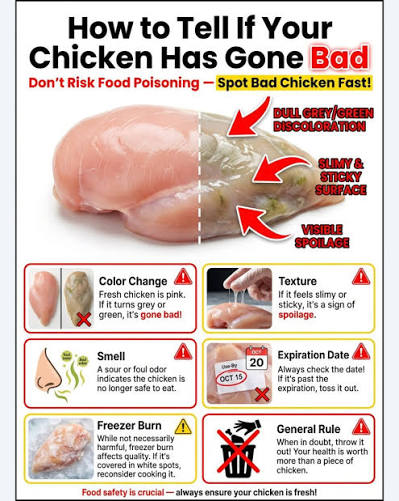
Frozen Chicken Demand Forecast 2026. As the frozen chicken market advances toward 2026, it faces a combination of challenges and opportunities that will shape its trajectory. Fluctuations in feed prices directly affect production costs; volatile commodity markets can pressure profit margins if not managed strategically. Frozen Chicken Demand Forecast 2026. Food safety concerns remain paramount; any outbreaks or contamination incidents could undermine consumer confidence significantly impacting demand negatively. On the opportunity front, rising investments in processing infrastructure across developing regions promise new avenues for expansion. Growing awareness around sustainable farming practices offers brands a chance to differentiate themselves through eco-friendly initiatives—a factor increasingly influencing purchase decisions globally. Furthermore, e-commerce platforms provide unparalleled reach into previously inaccessible markets—enabling direct engagement with consumers seeking quick delivery options—a trend expected to intensify through 2026. Brazil Chicken Breast Supplier
- Price volatility impacts profitability margins
- Food safety incidents pose risks to brand reputation
- Infrastructure investments open new market segments
- Sustainability initiatives create competitive advantages
- E-commerce expansion enhances distribution reach
Proactively addressing these challenges while leveraging emerging opportunities will be vital for stakeholders aiming for resilience and growth by 2026. Frozen Chicken Demand Forecast 2026
Strategic Implications for Stakeholders Entering 2026 | Frozen Chicken Exporter Brazil
Looking for Frozen Chicken Demand Forecast 2026, stakeholders within the frozen chicken industry must adopt strategic approaches aligned with forecasted trends and challenges outlined above. Producers should invest in innovative technologies that enhance efficiency while ensuring compliance with safety standards—this dual focus will help maintain competitiveness amidst fluctuating input costs. Retailers need to diversify their product portfolios by incorporating ethnic flavors or health-oriented options reflecting changing consumer demands—and leverage digital marketing channels for maximum outreach. Suppliers must strengthen supply chain resilience through improved logistics infrastructure tailored specifically for perishable goods like poultry products—reducing waste while ensuring timely delivery globally. Additionally, embracing sustainability initiatives not only satisfies regulatory requirements but also appeals strongly to eco-conscious customers who prioritize ethically produced food items. Wholesale Frozen Chicken
- Invest in automation technology to reduce costs
- Expand product lines based on regional taste preferences
- Enhance logistics infrastructure resilience
- Implement sustainability practices across operations
- Use digital marketing strategies targeting health-conscious consumers
These strategic considerations position industry players favorably as they navigate an increasingly complex marketplace leading up to 2026.
A Forward-Looking Perspective on Frozen Chicken Demand in 2026
Frozen Chicken Demand Forecast 2026. In summary, forecasting the demand for frozen chicken through 2026 reveals a dynamic interplay of global trends, regional influences, technological innovations, shifting consumer preferences—and inherent challenges—that collectively define future market prospects. While opportunities abound—from expanding into emerging markets with infrastructural investments to harnessing digital platforms—the industry must remain adaptable amid price fluctuations and safety concerns pervasive across supply chains. Embracing innovation rooted in sustainability will be fundamental not only as a differentiator but also as an ethical obligation aligning with evolving societal values worldwide. Ultimately, those stakeholders who proactively anticipate these shifts will secure a resilient foothold within this vital segment of the global food industry well beyond 2026 horizons. Grade A Frozen Chicken Brazil
