

Frozen Beef Hind Quarter for Sale: Wholesale Supply, Quality, and Value
In the frozen meat trade, the hind quarter stands out because it combines premium-cut potential with practical commercial value. Buyers are not just purchasing meat; they are purchasing a flexible inventory source that can be broken down into steaks, roasts, trimmed cuts, and grinding material, which helps businesses maximize margin across multiple sales channels. For sellers, this makes the frozen beef hind quarter one of the most marketable beef categories because it appeals to both bulk buyers and businesses looking for consistent, portionable supply.
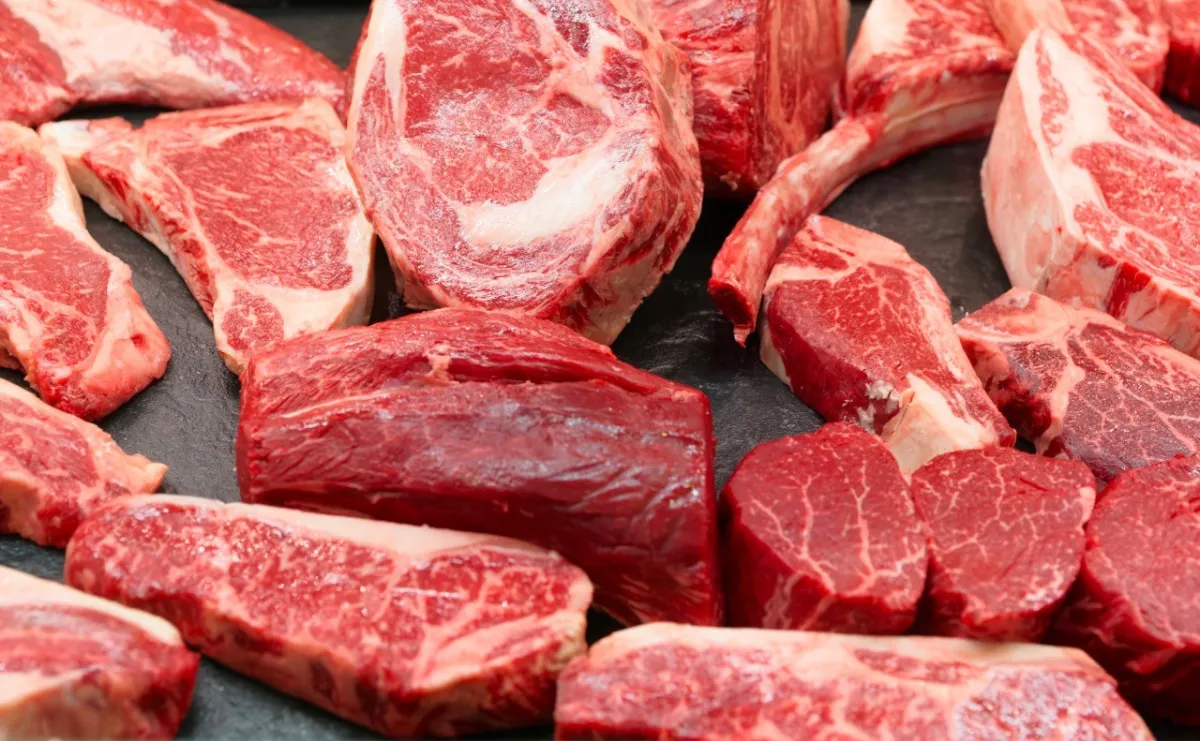
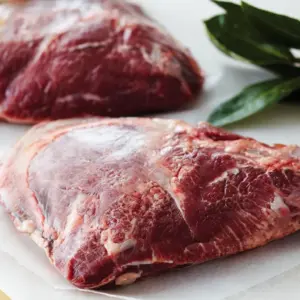
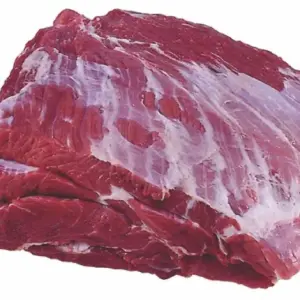
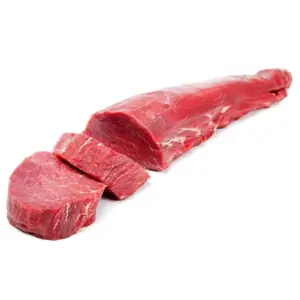
The biggest sales advantage of a frozen beef hind quarter is its cut distribution. Hindquarter sections commonly include loin, sirloin, tenderloin, flank, round, rump, and related cuts, which are among the most commercially attractive parts of the carcass. That variety gives wholesalers and distributors room to target different customers with different price points, from premium steak buyers to budget-conscious processors seeking round cuts and trim. In sales terms, one primal can create several revenue streams, and that makes the hind quarter more attractive than a single-cut product.
Frozen presentation also improves commercial flexibility. Proper freezing and storage help preserve meat quality, reduce spoilage risk, and support long-distance distribution, which is critical for exporters and large-scale sellers. Because buyers can store already frozen meat rather than rushing it into immediate use, the product becomes easier to stock, plan, and resell across seasonal demand cycles. For sales teams, that means the frozen beef hind quarter can be pitched as a dependable inventory solution rather than only as a protein item.
Why Frozen Beef Hind Quarter Is in Demand | Key Cuts Included in a Beef Hind Quarter
Labeling and Quality Assurance Details | Cutting Specifications Buyers Request
Another major selling point is yield expectation. Clear communication about age, health history, finishing, and expected yield helps build trust and reduces disputes after purchase. In the sales process, that transparency is not optional; it is part of what closes deals and encourages repeat orders.
For foodservice clients, the hind quarter is especially useful because it supports menu planning. That balance between premium and value cuts gives buyers more control over food cost percentages. It also helps sales reps position frozen hind quarter beef as a practical ingredient base for diverse kitchen operations.
The broader meat category continues to show positive sales momentum, which supports continued interest in frozen beef products.
Storage Recommendations for Best Quality | Packaging, Storage, and Handling Standards
Packaging and handling also matter in sales. This reassures them that the product will arrive in usable condition and hold quality through storage and distribution. For B2B sellers, that operational confidence can be the difference between a one-time order and a long-term supply relationship.
Pricing strategy should reflect the product’s versatility. The more clearly you define value, the easier it becomes to move inventory efficiently.

Reviews
There are no reviews yet.